The Icelandic horse breed originates from Iceland where it has been bred for over one thousand years without any known introduction of foreign genetic material. Its closest relatives today are assumed to be the native horse breeds of Scandinavia and horse breeds of the British Isles. The Icelandic horse is the purest breed in the world, with all ancestors traceable to Iceland.
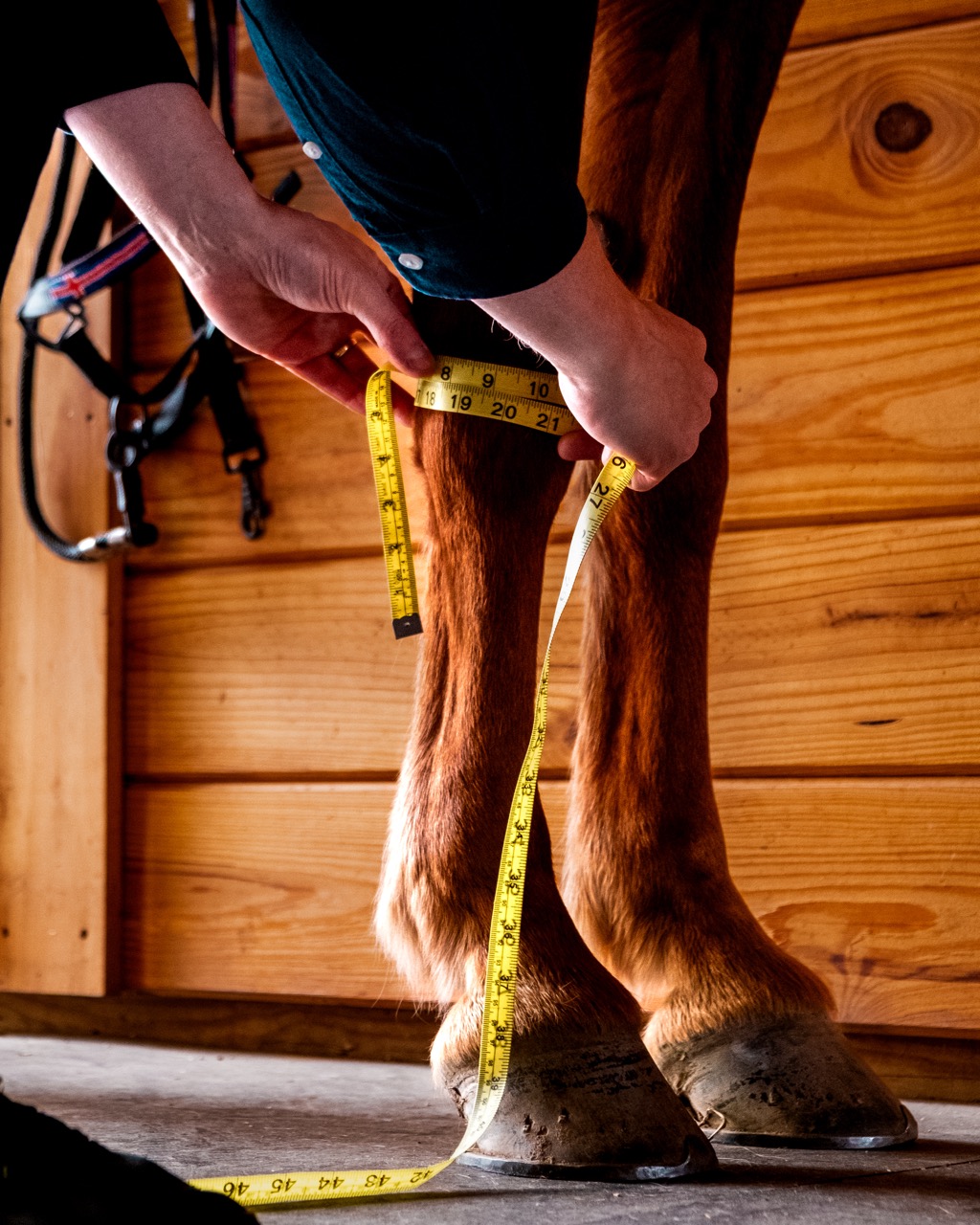
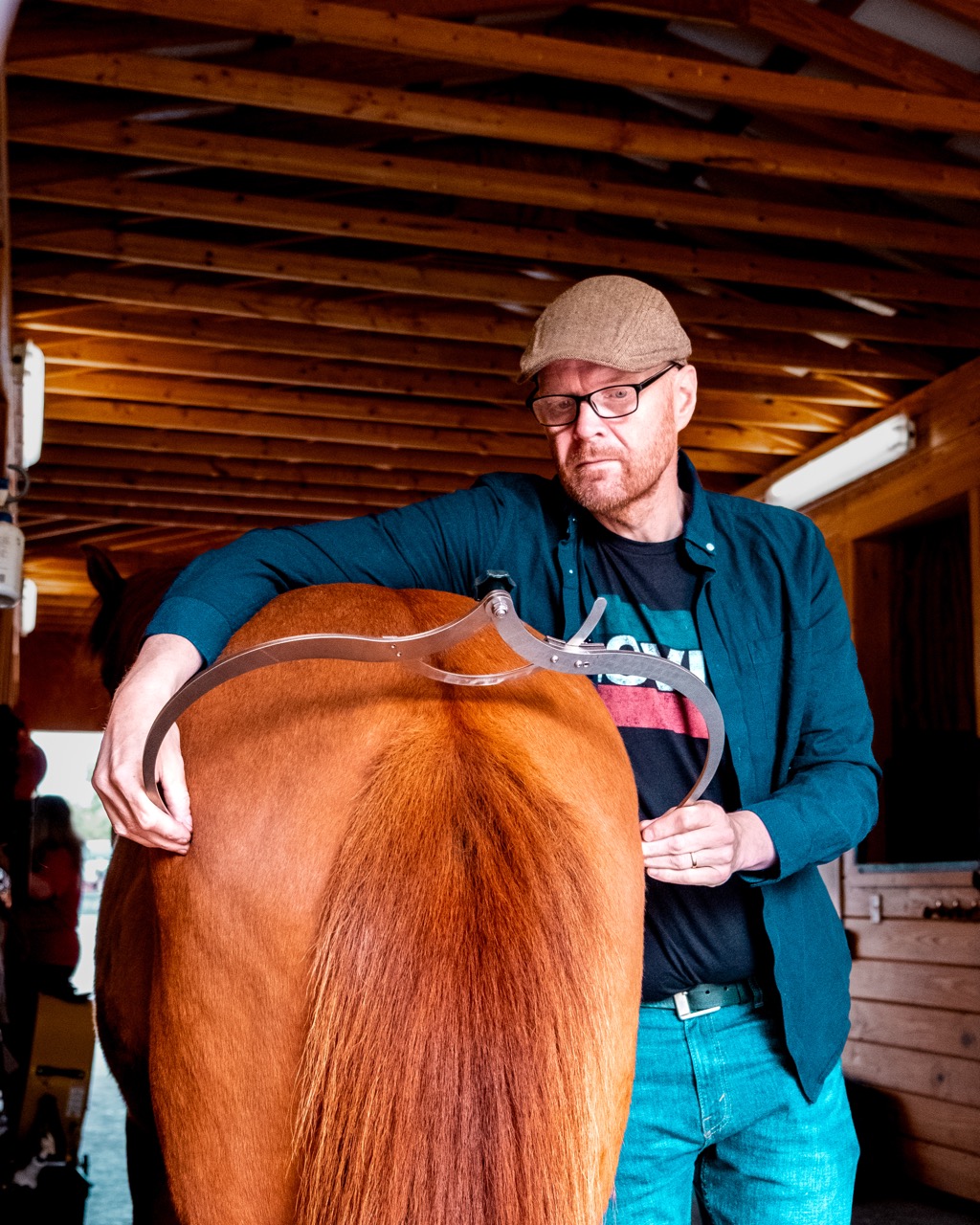
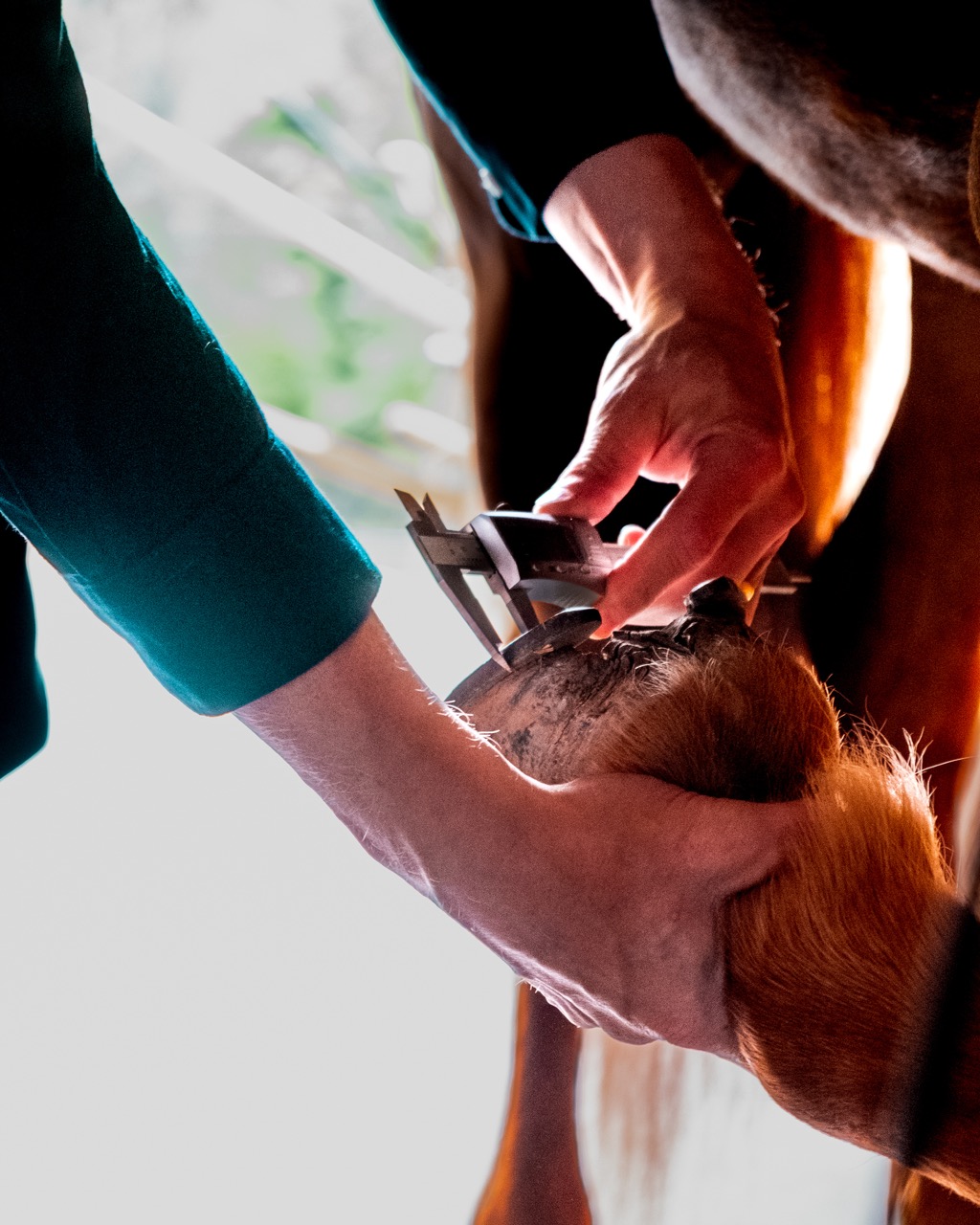
The height of the Icelandic horse generally ranges from 125 to 145cm when measured with a stick at the highest point of the withers. The average for mares is 136cm and for stallions 138cm.
The grown Icelandic horse weighs around 300 to 400kg.
Most known horse colors and markings can be seen. The most dominant colors are chestnut, black and bay but grey and pinto are also quite commonly found.
More than one hundred color varieties may be found in the Icelandic horse breed.
The Icelandic horse is primarily a riding horse. The breeding goal is to produce a horse with easy tölt, walk, trot, canter/gallop and sometimes flying pace. Its athletic ability is extraordinarily versatile - Icelandic horses have sensible, willing characters for pleasure riding and for sport competitions, and their size makes them suitable for both adults and children.
The goal is to breed a horse that can be used for a variety of purposes by all different types of riders. The use of the horse is first and foremost for riding- including pleasure/trail riding, long distance and various types of competitions.
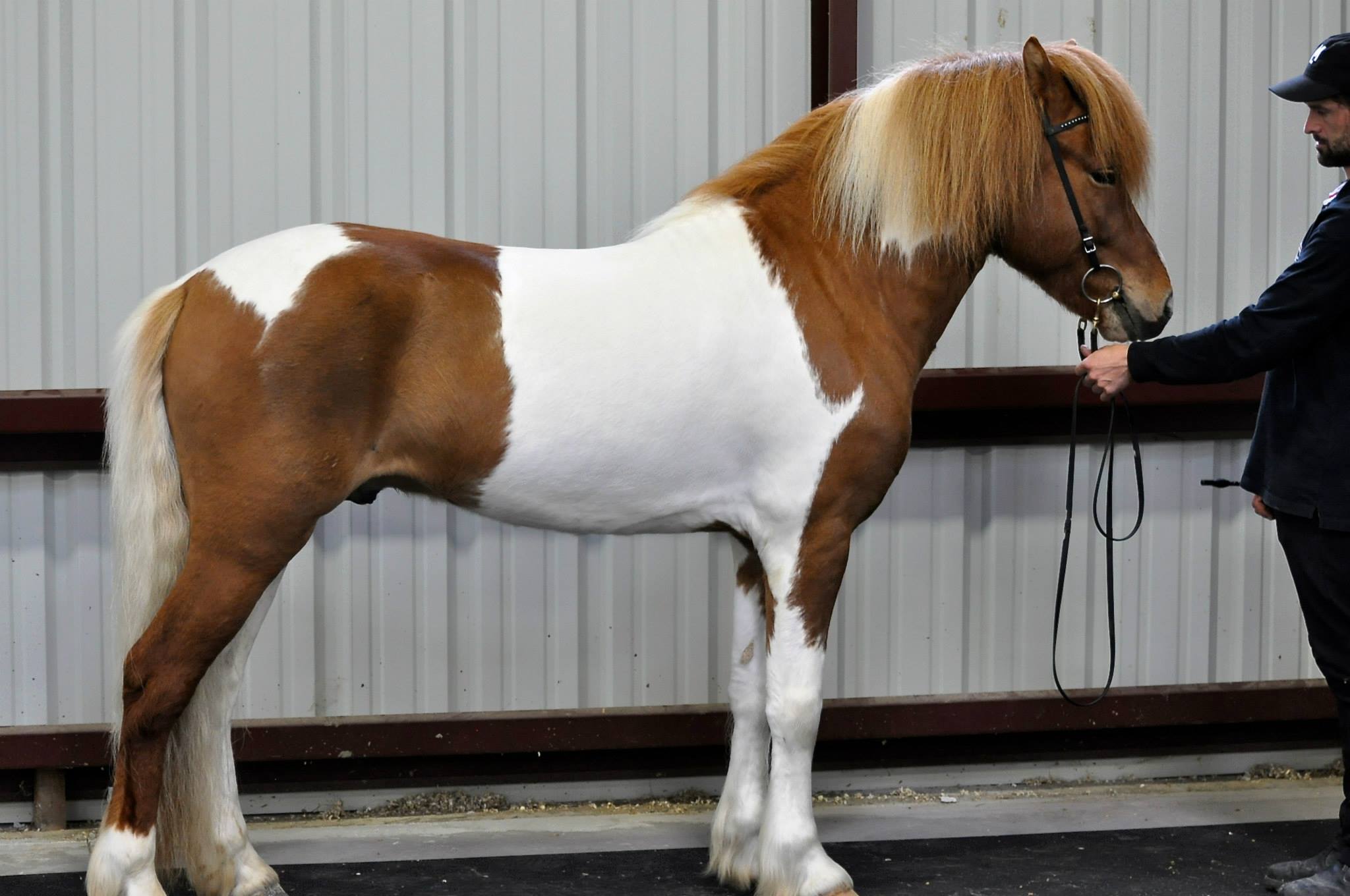
Generally, the breeding goal should be produce a lightly built, athletic horse with a strong and supple body. The conformation should give an optimal base for gaits and self-carriage and at the same time aim for generally accepted aesthetic aspects described in detail below.

Head shape should be well-defined, proud and alert.

Neck, withers & shoulders should be prominent, long and sloping.

Back and hindquarters should be strong, supple, well muscled and similar length to each other.

Proportions should be approximately equal (front, middle & hind sections). The legs are long and well spaced. The body is cylindrical in shape and should be higher at the withers than at the highest point of the croup.
The main goal in the horse's gaiting ability is that the gaits have correct beat and mechanics with the horse moving freely in a healthy balance. The gaits should moreover possess suppleness, lightness, long strides and speed range.
In addition to the gaits, there are three more characteristics we look for under saddle. They are defined below.
The horse should be very willing, offering its best with very little encouragement.
The horse tries to please the rider, is sensible, easy to ride and handle, and is happy, cheerful, confident and brave.
The horse is very impressive. Movements are supple, high and ground covering. The horse has good head carriage, great presence and moves energetically in all gaits.