


The Icelandic horse is an admired breed renowned for its unique combination of strength, hardiness, and smooth gaits. Originating from Iceland and remaining genetically pure for over a thousand years, these horses are known for their distinctive five gaits, including tölt and flying pace, which provide an exceptionally comfortable and exhilarating ride over long distances. Their compact build, double-sided mane, lush tail and unique double coat make them well-suited for harsh climates, while their curious, willing temperament and intelligence make them remarkable partners for riders of most levels.
For those seeking a luxury pleasure horse, the Icelandic offers an unmatched experience. They combine beauty and comfortability with a dignified yet friendly personality, creating the perfect partner for refined leisure and competition alike. This breed is ideal for those who desire a horse that feels both timeless and unique, connecting you to a vibrant community, one-of-a-kind horsemanship and an ancient tradition.
Walk is a four beat stepping gait with a ipsilateral movement. Walk has eight phases during the walk stride.
The horse should be supple and move briskly in an even and correct beat with long strides. The head and neck should move rhythmically up and down in balancing gestures and the horse’s spinal column is springy and without tension. The horse is active in the hind legs and back, body movements are obvious and the tail swings freely with each stride.
Trot is a two-beat, diagonal gait with a moment of suspension.
In trot the horse should have an arched neck and a rounded, relaxed topline. The horse should go forward with suppleness, impulsion, in even rhythm and with obvious suspension. Trot should possess roomy strides and be a pure two-beat gait. The back is elastic and the movement runs through the horse’s body.
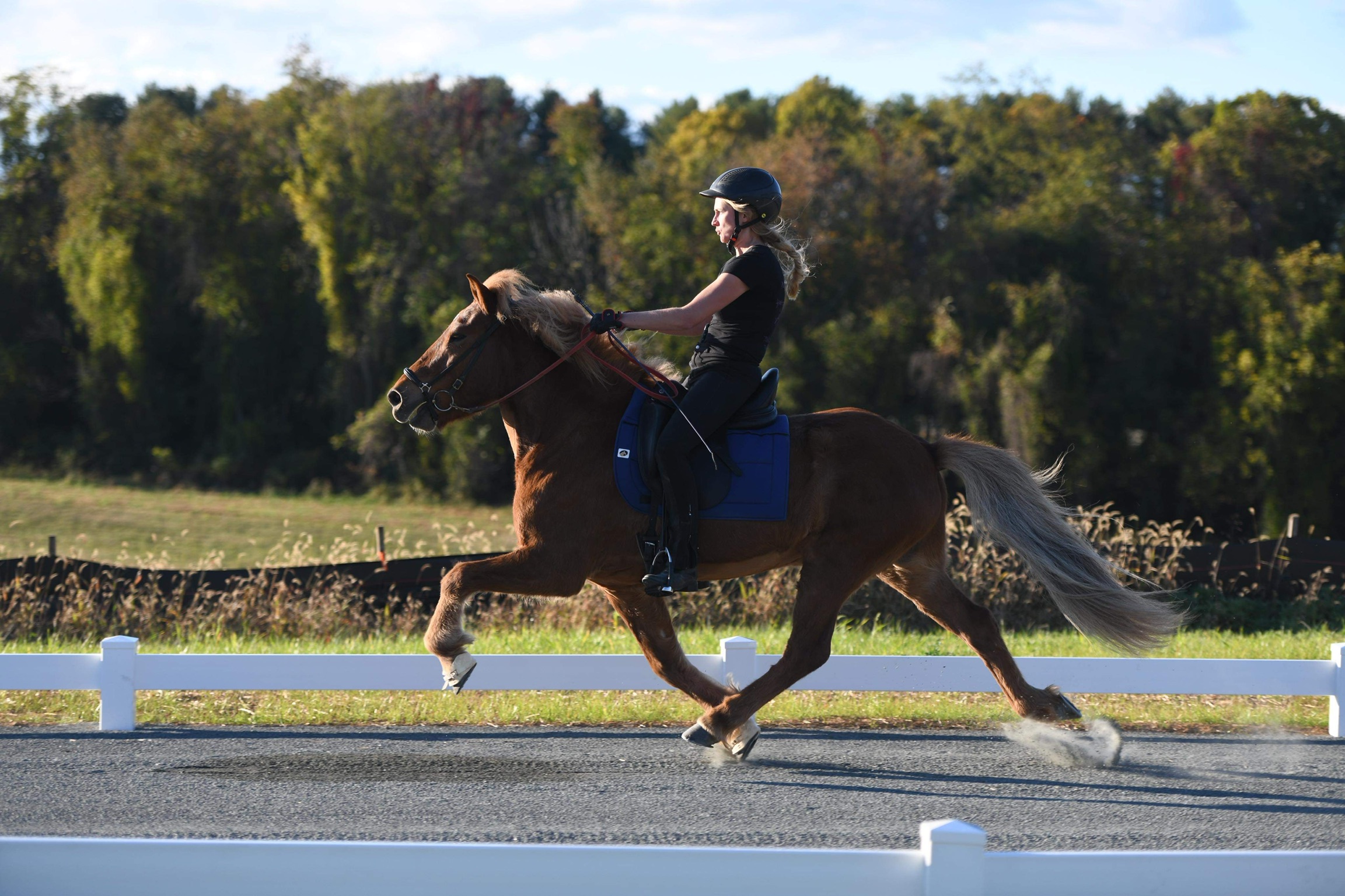
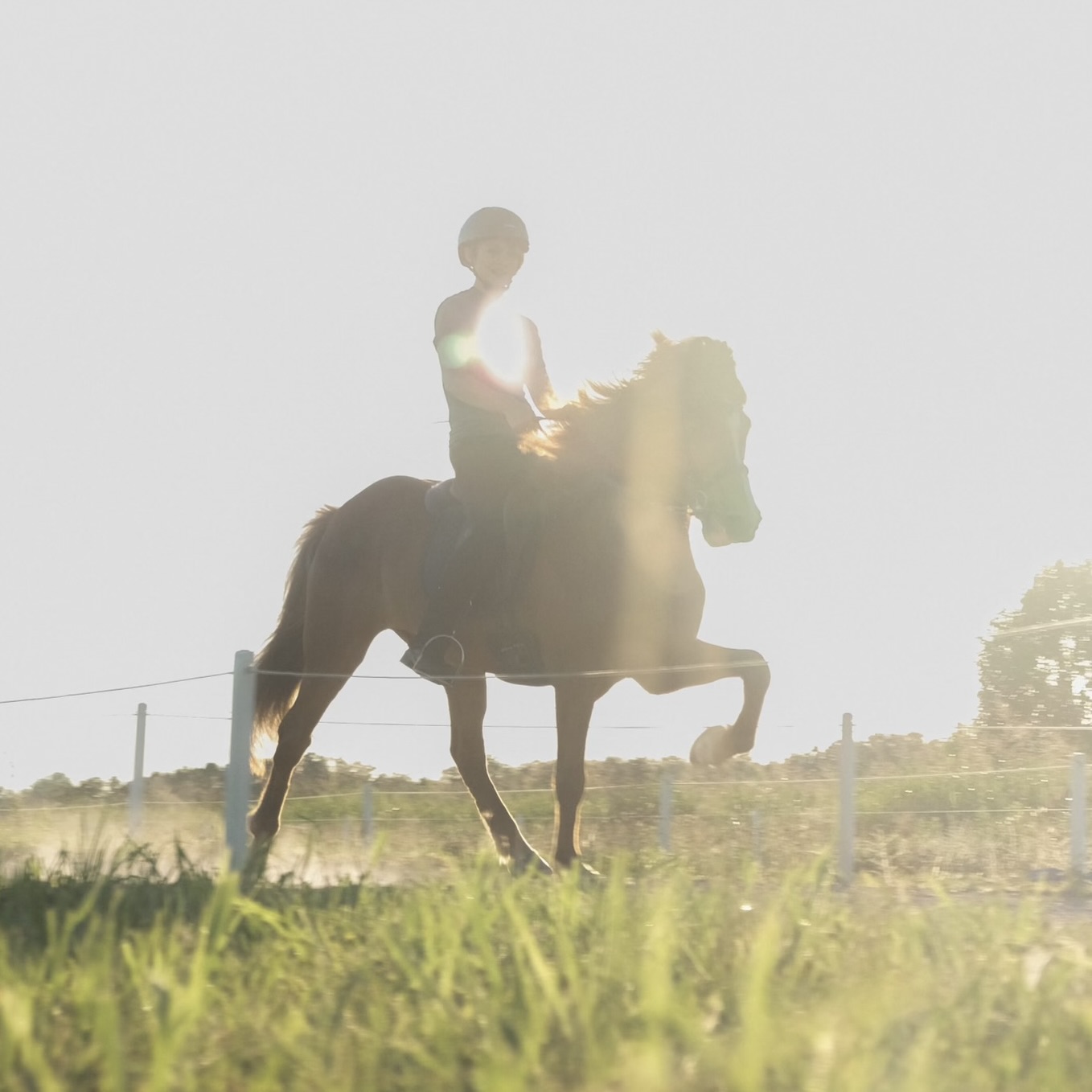
The tölt is a four-beat gait with ipsilateral sequence of footfalls with no suspension, making it smooth and soft. Some Icelandic horses have a wide speed range in tolt, making it an ideal leisure riding gait.
True tölt is characterized by suppleness and fluid movements. The horse should move in balance, with a strong and active back, and active hind quarters. The movements of the front part are light and free. The horse’s rhythm is a pure four-beat rhythm, which runs fluidly through the horse.
Canter is a three-beat gait with suspension.
A good canter has balance and light supple movements. The horse should have an arched neck and rounded relaxed topline and engaged hindquarters. The balance of the horse is shifted backwards, the canter being more collected than the gallop. The movements of the front quarters are light and unconstrained. The horse has a clearly visible suspension and a pure three-beat rhythm.
Pace is a two-beat gait with a moment of suspension, where ipsilateral legs move almost synchronously back and forth.
Flying pace is a very fast pace, the word ‘flying’ both referring to the horse’s suspension and its speed during the pace. It is a tradition to ride the pace in a transition from canter or gallop. This way the horse has a better possibility to extend its head and neck and pace in a pure rhythm.
When naming an Icelandic horse, we look to Icelandic tradition, FEIF guidelines, and USIHC rules to determine proper naming conventions. A correct Icelandic horse name consists of three distinct parts, which, when combined, provide meaningful information about the horse.
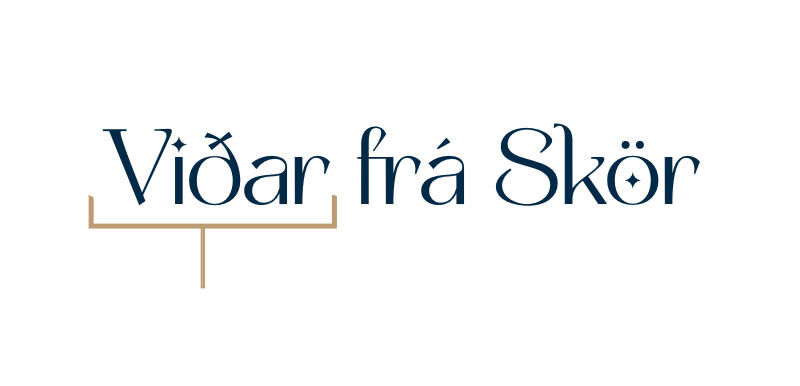
The first part of an Icelandic horse’s name often reflects the horse’s appearance, such as Brúnka (“brown horse”) or Blesi (“horse with a blaze”), or its character or temperament, as in Galsi (“playful”) and Elja (“power, energy”). Names drawn from Norse mythology, including Óðinn and Þokkadís, are also appropriate. In addition, some traditional names that are not Icelandic in origin, such as Hera and Mósart, are considered acceptable.
While this part of the name is largely left to the imagination of the namer, the USIHC registry requires that each horse’s name be an Icelandic name or word. It is also important to choose a name appropriate to the horse’s sex, as most Icelandic names are distinctly masculine or feminine. Helpful resources include the book Hrímfaxi, available through Eiðfaxi, and the Flying C Ranch Names List.
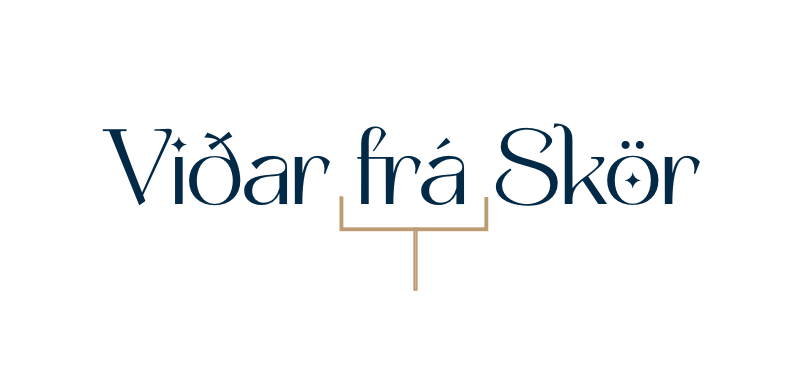
The next part of the horse’s name is a small connecting word that indicates the country in which the horse was born. In Icelandic, this word is frá, meaning “from.” The connecting word changes based on the language of the horse’s country of birth.
For example, a horse born in France uses the French word de, while in Germany the word is von or vom.
In Sweden, the word is från. In the United States and other English-speaking countries, the connecting word is from.
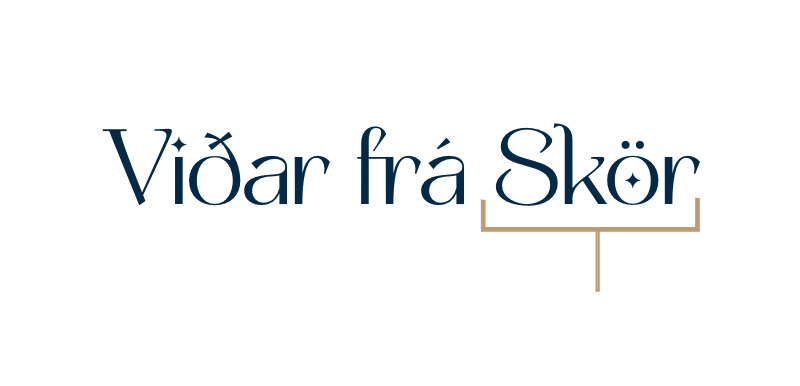
The final part of the horse’s name is the breeder’s trademark, usually the name of the breeding farm. In Iceland, farm names traditionally reflect the geographic area where the farm is located rather than the owner’s imagination, as seen in names such as Oddhóll and Langhús. In the United States, farm names are often more commercial in nature and are equally acceptable; they do not need to be Icelandic words.
Naming rules also differ by country. In Iceland, a foal carries the name of the farm where it is physically born, regardless of who made the breeding decision. Outside of Iceland, in several FEIF countries including the United States, the mare owner at the time of breeding has the right to choose the foal’s farm name. This ensures that the foal’s name remains a lasting trademark of the individual or individuals responsible for the breeding decision. That right may be transferred to a new owner prior to registration with a simple written letter if desired.


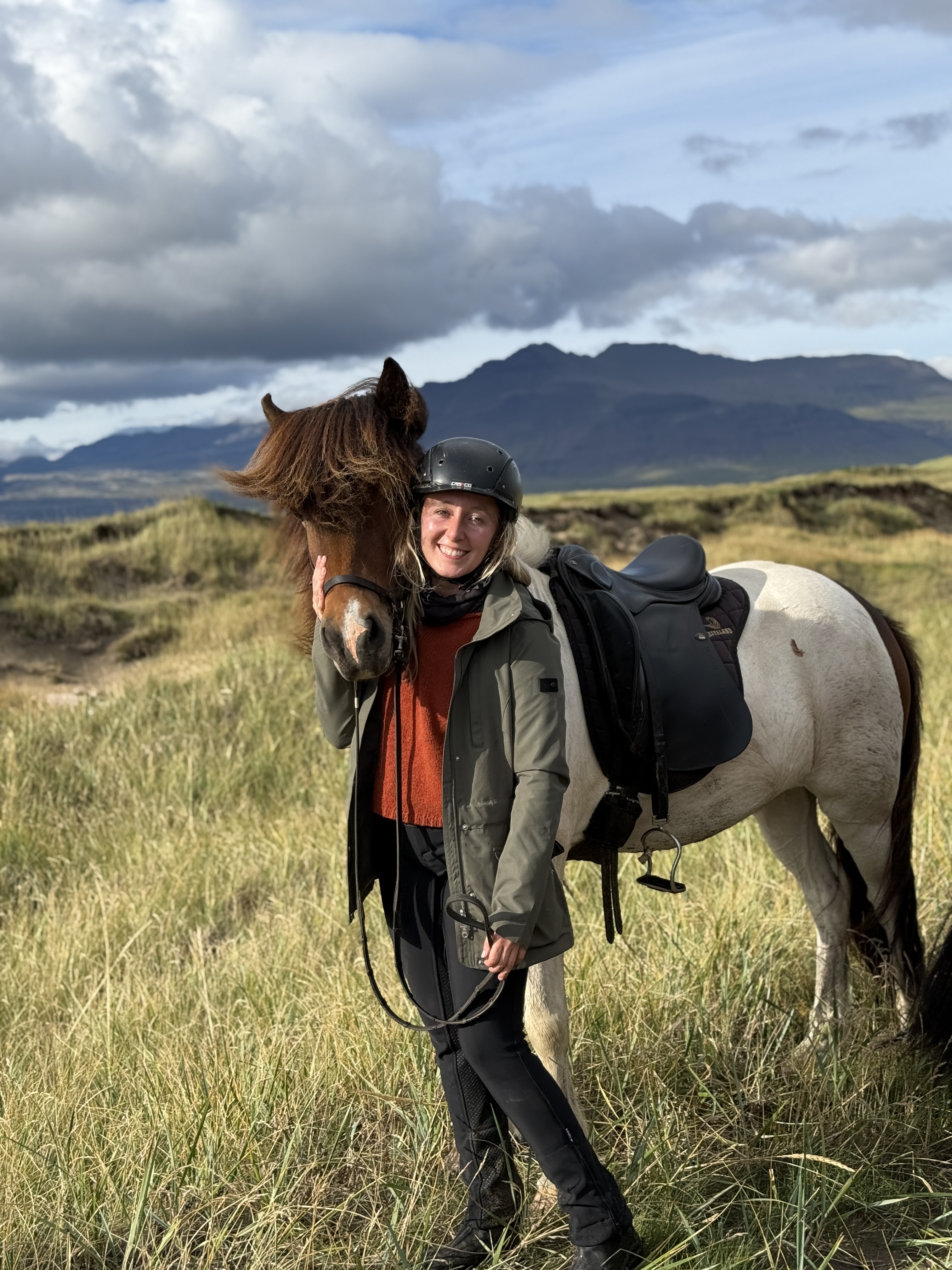


The first horses came to Iceland in the ninth century with Viking settlers from Norway and the British Isles, and horses remained the main form of land transportation in the country until the first roads for wheeled vehicles were built in the 1870s.
Since 1882, import of horses to Iceland has been forbidden by law, so the breed has remained pure. However, it is believed that very few, if any horses, have been imported into the country since approximately 1100.
The Icelandic Horse is renowned for being hardy, athletic, independent, spirited, friendly, adaptable, and sure-footed, with five natural gaits.
Averaging 13 to 14 hands tall, the Icelandic Horse is a versatile family riding horse, bred to carry adults at a fast pleasing gait over long distances. It is distinctive for its thick and often double-sided mane and long tail, and remarkable for its wide range of colors.

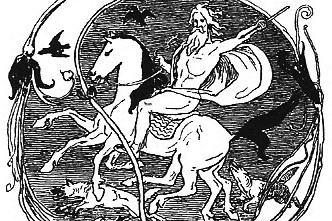
Other medieval Icelandic works depict racehorses, saddlehorses, packhorses, and fighting horses. The first Icelandic Horse known by name, the mare Skalm, appears in the 12th-century Book of Settlements. The chieftain Seal-Thorir settled where Skalm lay down under her load. Horses play key roles in some of the most famous Icelandic Sagas, including Hrafnkel's Saga, Njal's Saga, and Grettir's Saga.
The sagas, written anonymously in the 13th century, look back as far as the early 800s. In these stories, horses were first of all riding horses and beasts of burden. But the sagas also tell of horse races and horse fights, both of which often led to violence, and of horses given as gifts to stop or avert a feud. A fine horse was often a medieval Icelander's most prized possession.
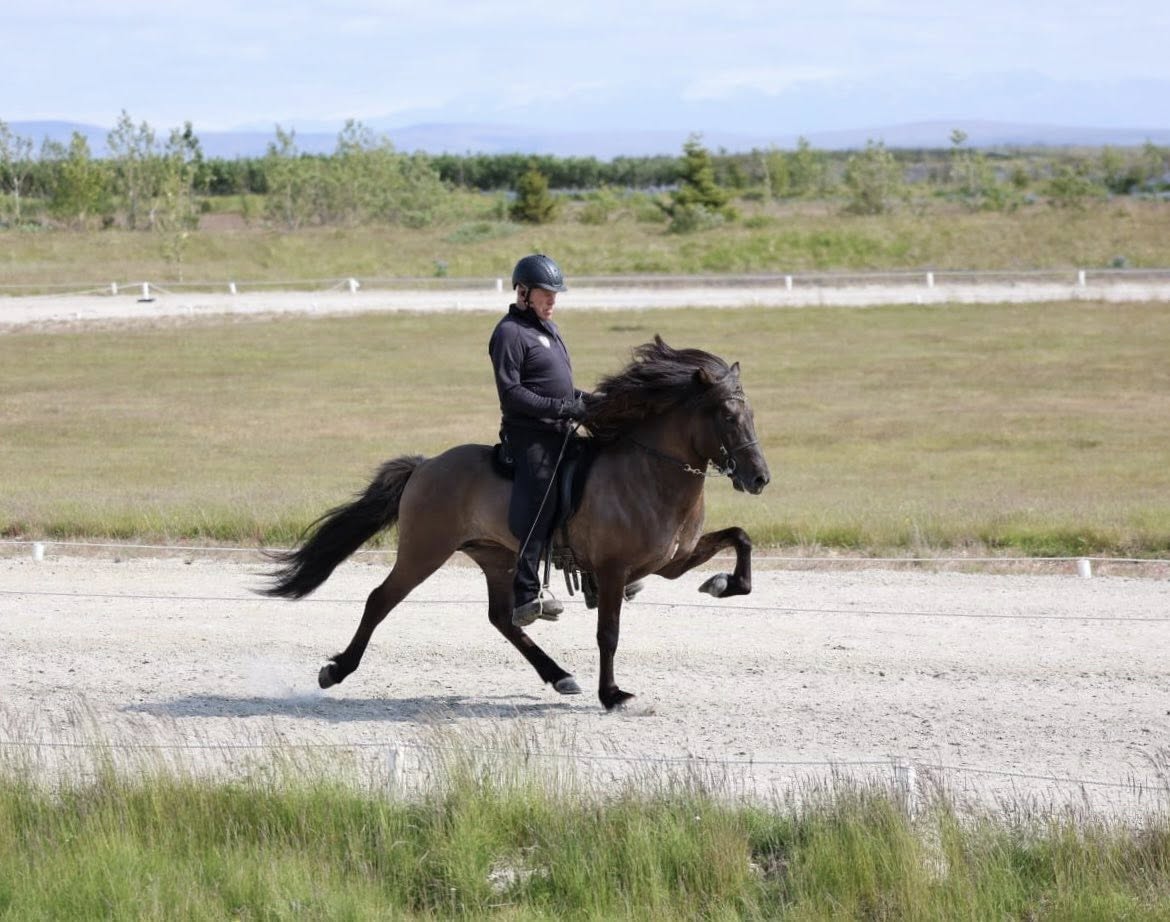
In Iceland today, horses are seen as one way of preserving the country's agricultural tradition while improving its economy. Long distance horse trekking is popular among Icelanders and tourists, as are horse shows, horse races, horse trading, and pleasure riding. Exports of Icelandic Horses have increased since the first were sent to Germany in the 1940s. Currently there are some 70,000 Icelandic Horses in other countries (as compared to 80,000 in Iceland), spread among the 19 member countries of the Federation of Icelandic Horse Associations (FEIF).